When You Don’t Know Why, Let God Know for You
Introduction – Wanting to Know Everything
Have you ever wanted to know the future? Read the end of the story? Know why certain things have happened to you?
All of us at some point wish we could see the future. All of us from time to time want to have answers that explain the deep pains and bewildering circumstances in life that confront, upend and confuse us.
Desiring explanations for life’s difficulties is normal. We live in a world that, because of sin, does not function as God originally intended. In fact, without God nothing in life makes any real sense at all.
While there is nothing wrong with wanting to learn, know and make sense of life, we simply can’t know everything or have answers about everything that happens to us.
“All of us at some point wish we could see the future. All of us from time to time want to have answers that explain the deep pains and bewildering circumstances in life that confront, upend and confuse us.”
As Adam and Eve found out, we’re not God. They wanted to know more than God (Gen. 3:5). Also, Satan wanted to know more than God!
But life doesn’t work that way. Sometimes we don’t see the fruits of our labors this side of eternity. For example, Moses didn’t see the Promised Land, David didn’t see the completed Temple, John the Baptist didn’t get to witness the resurrection, and so on.
Other times, we don’t know in the moment why certain things happen. Think of Joseph in Egypt or Abraham when he was asked to sacrifice his son.
Lastly, we just don’t know the future. Bede the Venerable didn’t know that only decades after his death the Vikings would sack his homeland.
Ultimately, the Christian life is a journey built on faith, not sight (2 Cor. 5:7), and it is faith that is the evidence of things we can’t see (Heb. 11:1). Nevertheless, God’s words are truly sweeter than honey, and they are a lamp unto our feet and light unto our paths (Ps. 119:103, 105). Even when we can’t make sense of them in real time, we can have faith in God’s words and promises.
We just can’t know beyond our limits, and when we try to it just makes us increasingly anxious, angry and confused.
Nevertheless, life has its ups and downs, its peaks and valleys. So what do we do when we want to know the answer or reason for something that happens to us but we can’t?
For some help, let’s turn our attention to an early Christian theologian for some insight.
John Chrysostom and On the Providence of God
John Chrysostom was an Early Church Father during the fourth century AD. He was a famous pastor in Antioch who eventually became archbishop of Constantinople (modern-day Istanbul, Turkey).
Today, John Chrysostom is perhaps best remembered as a master of preaching and expositing the word. He was particularly adept at delivering words of encouragement to Christians.
In fact, the surname Chrysostom was given to him posthumously. It means “golden-mouth,” in reference to his impressive skills at interpreting and communicating God’s Word as a pastor.
John Chrysostom and his fellow Christians in that region of the world in the 300s AD were well acquainted with wrestling with God’s sovereignty, and trying to make sense of life in the midst of extreme persecution.
As such, John Chrysostom’s last major written work was his treatise, written in 406-7 AD while he was in exile in Armenia, called On the Providence of God, and it deals with the central question of this lesson: what do I do when I don’t understand why things happen to me?
The treatise was meant to provide comfort and guidance to all of the local believers who were suffering at the hands of Arcadius and Eudoxia (the then Emperor and Empress of the Eastern Roman Empire).
Consequently, On the Providence of God addresses suffering in pure Chrysostom style, and by his own admission, as a doctor who prescribes words as medicine.
In the work, Chrysostom uses the word “sick” to describe those who continually try to find answers and causes for everything that happens to them.
He confronts this tendency in us with scripture and explains that we can’t always know why things happen the way they do, especially because God’s ways are incomprehensible, limitless and unsearchable (Is. 55:8-9, Ps. 92:5, Rom. 11:33).
His point: don’t try to know more than God does, because it will ruin you mentally. It’s not healthy to try to figure it all out, nor can you.
Additionally, he points out that many times, before we pass judgement on something that happens to us or question it, we ought to wait to see what the final outcome will be.
He uses the examples of a farmer who has to wait for a harvest and a goldsmith waiting for gold to be purified; these process do not happen overnight or instantly. He also reiterates that “everything will be fulfilled, either in this world or in the age to come” (1).
“We don’t have to throw our hands up in frustration when we can’t explain things that happen to us. Instead, we can hand over our concerns to the One who can more than handle them.”
Therefore, the first thing to do when you’re overwhelmed about getting answers to things that happen to you is to admit that you can’t always know the why behind everything that happens to you.
Moreover, don’t jump to conclusions, give things time while God works things out on his timeline and in his ways and power.
Now, if things stopped there, it would be a pretty insufficient answer, even though it is true at face value. Thankfully, we don’t have to throw our hands up in frustration when we can’t explain things that happen to us.
Instead, we can hand over our concerns to the One who can more than handle them, and who knows all.
Let God Know for You
The cure, when you’re hijacked by fears of tomorrow or consumed with wanting answers for the things that happen to you, is to let God know why for you—to be content in the knowledge that God is in control of your life.
Did you know God encourages us to do this? I Peter 5:7 (KJV) says “casting all your care upon him; for he careth for you.” Those anxieties you have, the answers you want, give them over to God, cast them, toss them over to him.
Put another way, relinquish control of the things that weigh you down and let God handle them, know that he is working everything out and he can more than handle anything.
We like to think we are better and more powerful than we really are. However, the reality is that apart from God we can do nothing (Jn. 15:5). Moreover, it’s only when we fear God (give him the reverence that is due him) that we can begin to be wise (Prov. 9:10).
If you are a Christian, then your relationship with Jesus releases you from the burden of control because God is in control and is sovereign (Is. 48:13, Ps.103:19).
“The cure, when you’re hijacked by fears of tomorrow or consumed with wanting answers for the things that happen to you, is to let God know why for you—to be content in the knowledge that God is in control of your life.”
We’re not God nor are we meant to be. Only God is all-knowing and all-powerful. However, those same attributes of God are why we can rest in him and entrust him with the things we can’t understand.
Because God upholds the entire universe, that means he can also be trusted with your fears (Rom. 11:36). Because God exists outside of time and never changes (Heb. 13:8 , Mal. 3:6) he can handle your past, present and future. He’s the God of your entire life.
Because God’s wisdom and knowledge are infinitely deep (Rom. 11:33) we can ask him to help us with anything, there’s nothing he does not know, nothing surprises him. Even when we don’t know what to pray, Jesus intercedes to God for us (Rom. 8:34).
Trusting God with the things you can’t explain or know yourself isn’t easy, however letting God know for you is.
In Matthew 11:29 Jesus says, “take my yoke upon you, and learn of me; for I am meek and lowly in heart: and ye shall find rest unto your souls” (emphasis mine).
Learning from God isn’t always easy, but it provides rest unto our souls. There’s no better example of this than learning to entrust God with the things you don’t understand.
“Even if we can’t fully make sense of our lives, or see how God is fulfilling his promises to us, we can rest in the truth that God is faithful to us and to keeping his promises to us.”
One of the ways we can do this is through prayer. Let your requests be made known to God, and enjoy the peace of mind from God that comes from that (Phil. 4:6-7).
Additionally, we can rest in God’s promises. If you’re a Christian, you can be confident that in every circumstance you are more than a conqueror, that God will finish the good work he has begun in you (Phil. 1:6), and that he is working all things for good for those who love him (Rom. 8:28).
Those are all promises of God, and God always keeps his promises. Even if we can’t fully make sense of our lives, or see how God is fulfilling his promises to us, we can rest in the truth that God is faithful to us and to keeping his promises to us (Heb. 10:23).
Even when we doubt, we can rest in the truth that God cannot lie, it is not in his nature.
Everything about him is true and trustworthy. In fact, Jesus is “the way, the truth and the life,” (Jn. 14:6, emphasis mine). Not only that, but he is always true. He is true now and he will always be true (Ps. 119:160).
If none of this were so, God would have told us (Jn. 14:2).
Conclusion
As Christians we have every reason to entrust God with the things we do not understand. This includes pain and hurts, difficult circumstances, debilitating memories from our past, fears about our futures, and so on.
The next time you want to know the why behind something that has happened to you and you just can’t figure it out on your own, pray to God and ask him for clarity.
And if you still don’t have answers, know that God does and is more than capable of handling the “why’s” of your life, whether he chooses to reveal them to you or not.
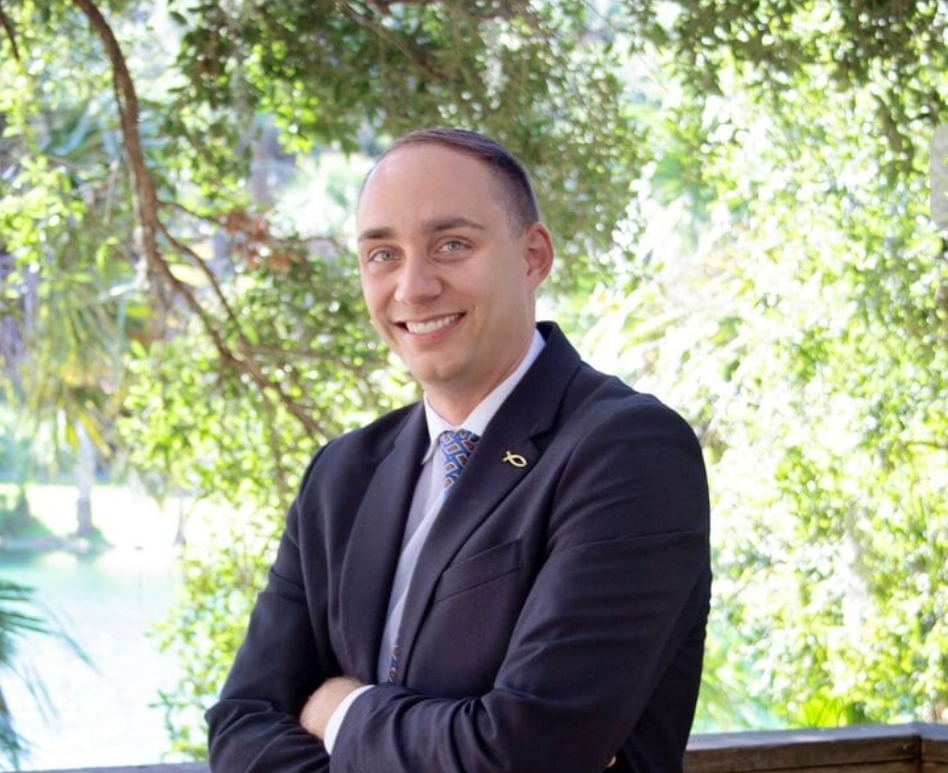
J.R. Waller, MBA is a Christian lay-teacher, author, and Founder of Every Reason to Believe. He holds an MBA from Rollins College, B.S. in Psychology from The University of Central Florida, Certificate in Christian Apologetics from Biola University, and Bible Knowledge Certificate from The Master’s Seminary Institute for Church Leadership. He is also a two-time Fellow (UCF, The James Madison Institute).
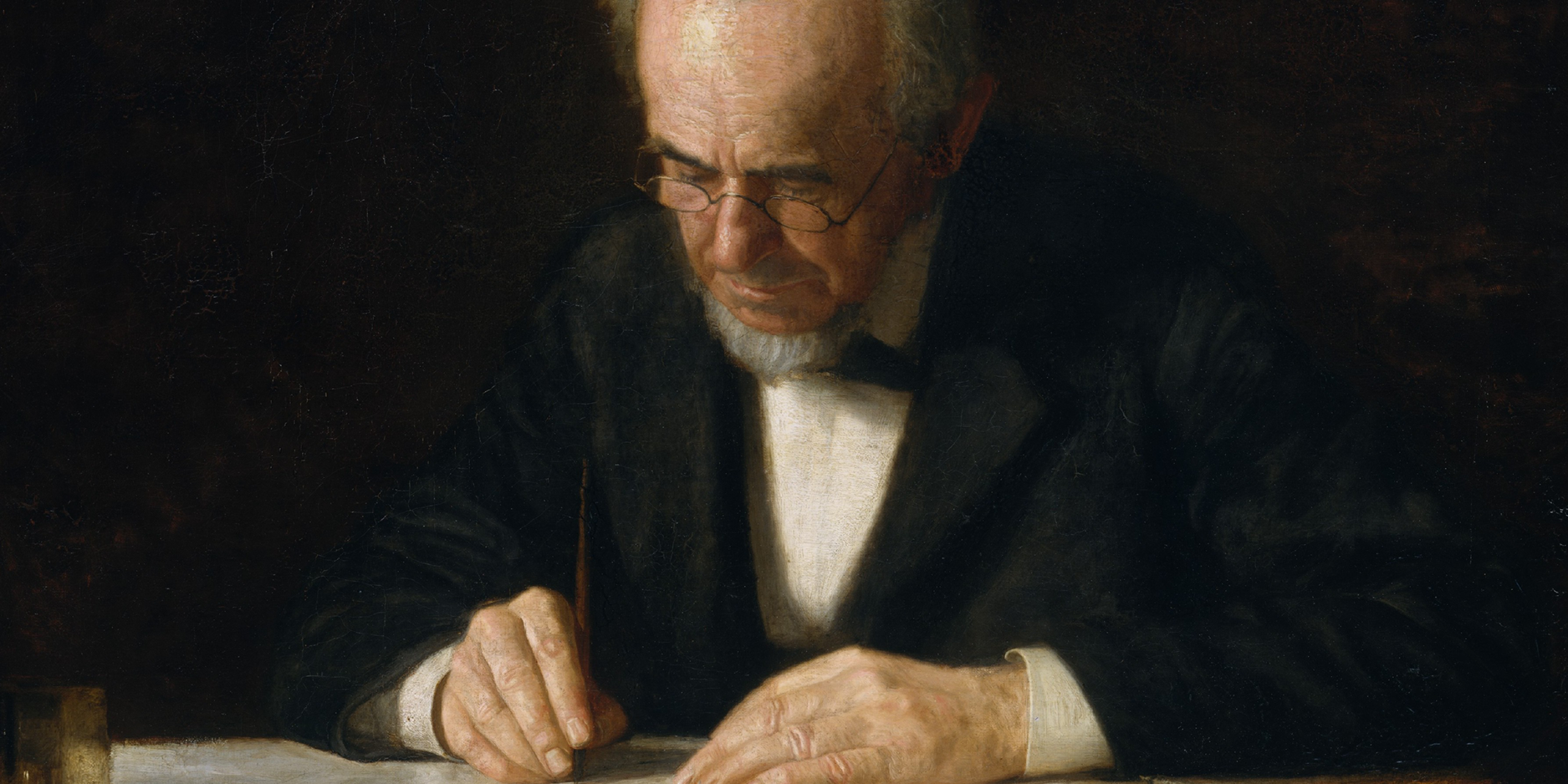
Image Credit: The Writing Master (1882) by Thomas Eakins (American). The Metropolitan Museum of Art, New York. 17.173.
Source(s): (1) On the Providence of God by St. John Chrysostom, St. Herman of Alaska Brotherhood (2015), Platina, CA. (p. 96)